
Our Lady of Poverty
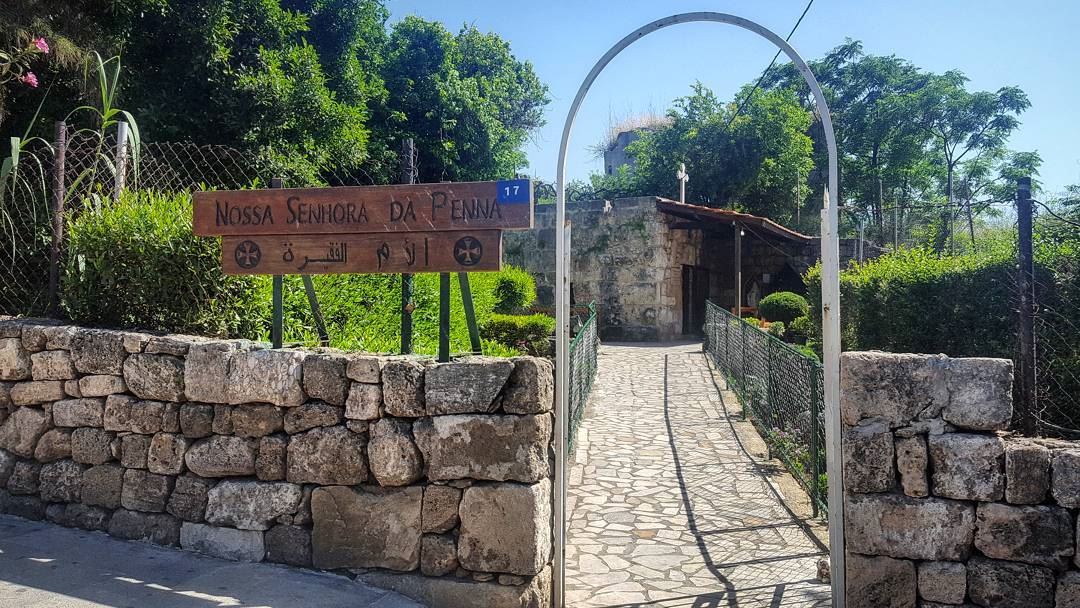
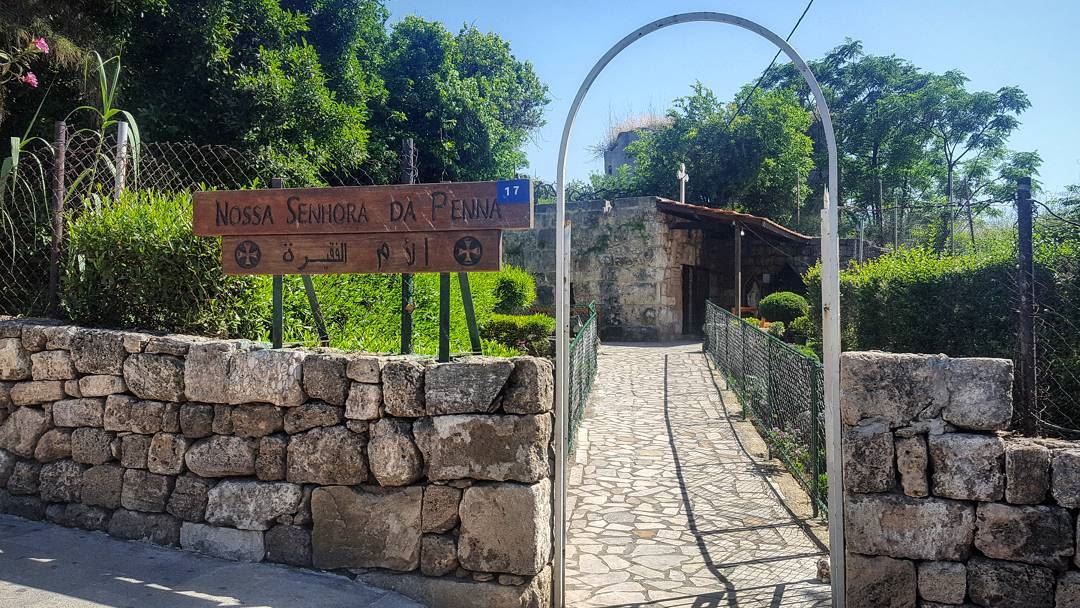
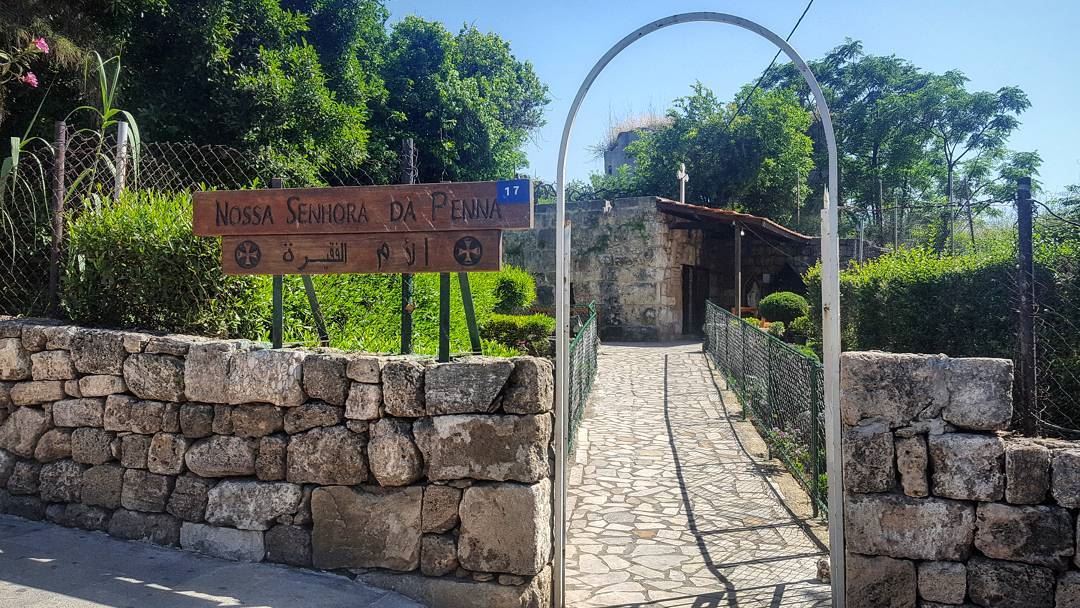
The construction of the Church of Our Lady of Poverty, also known as Our Lady of Maysa, dates to the early 18th century. In those days, it was a renowned shrine called “Saydet Al-Maysa” (Lady of Maysa) after a large mays (juniper) tree that existed on the site where the church now stands. The tree had a small cave-like cavity in its trunk where a statue of the Virgin Mary was placed. The church is built of sandstone and rock, reflecting the prevalent style in the ancient city of Byblos, with a recently paved stone pathway surrounded by a beautiful garden and a small courtyard in front of the church entrance, covered with red tiles. Inside, there is an old vaulted ceiling and a low entrance door to prevent horses from entering. The walls, made of ancient sandstone, have been cleaned and darkened, and there is a small altar. The floor is paved with uniform-colored natural stone, complemented by harmonious wooden benches that match the size and space of the church.
During that period, the churches were under the authority and guardianship of the Ottoman Empire. Some of them were transformed into stables, such as the Church of St. John Mark, while others became barracks. The cavalry would violate and intrude upon the sanctity of homes and places of worship with their horses. This led the locals to convert several shrines into churches where they could practice their religious rituals away from the eyes of the Ottoman authorities, and Our Lady of Maysa (Our Lady of Poverty) was one of those churches. During the reign of Prince Yusuf Al-Cheheb, the endowments of the city of Byblos and its churches were entrusted to the Lebanese Maronite Order, which currently oversees the affairs of the church.